Huntington Beach Locksmith Service Team
Local locksmith team
Apr 16, 2026 11 min read
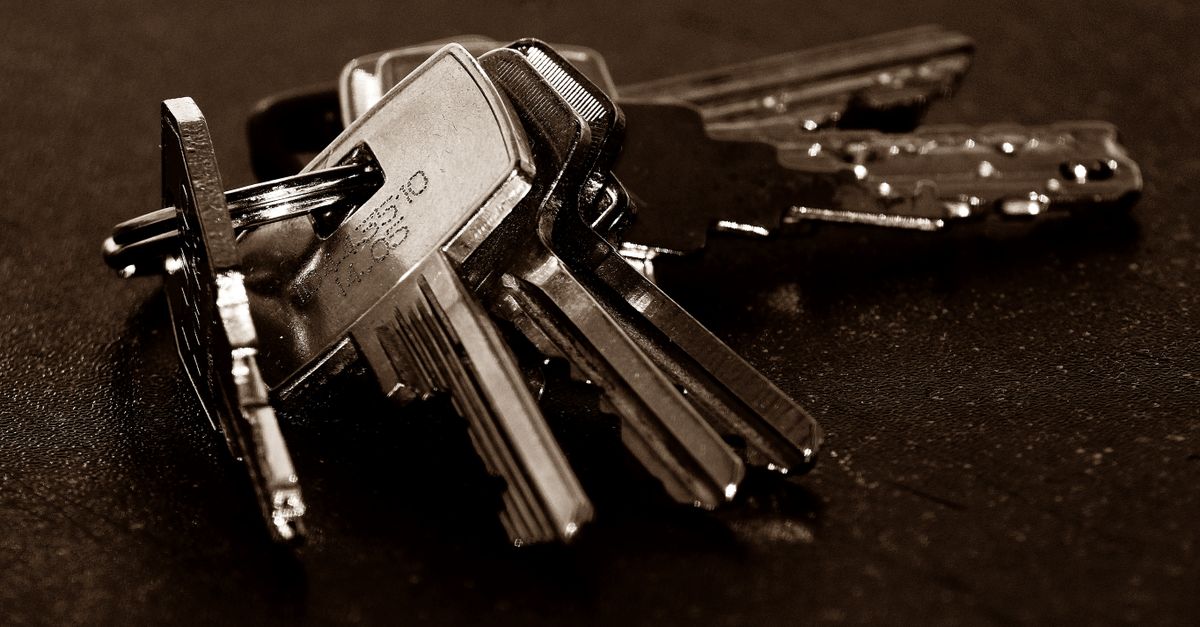
It happens fast — you turn your key in the front deadbolt after a long day, feel a little resistance, push a bit harder, and then hear that sickening snap. Half the key is still in your hand; the other half is lodged somewhere inside the lock cylinder. For homeowners along the Pacific Coast Highway corridor and throughout Huntington Beach, this is one of the most common — and most preventable — locksmith calls we receive. Understanding exactly why keys break in mortise locks and deadbolts, and what you can do today to stop it, can save you a stressful late-night lockout and the hassle that comes with it.
The good news is that most broken-key situations come down to a short list of root causes, nearly all of which are fixable before a snap ever occurs. This guide walks you through those causes, the practical steps to address them, and the point at which a trained locksmith should take over — because some fixes genuinely require professional hands to do safely and correctly.
## Why Keys Snap in Mortise Locks and Deadbolts
The mortise lock — the rectangular lock body set into a pocket cut into the edge of the door — is the workhorse of older Huntington Beach homes, apartment buildings near Pier Plaza, and many commercial storefronts along Main Street. Unlike a simple door knob lock, a mortise lock has more internal components: a case, a latch bolt, a deadbolt, and a cylinder — all of which need to move in harmony. When they don't, the key bears the strain instead of the mechanism, and metal fatigue does the rest. Deadbolts on modern homes are only slightly more forgiving; if the bolt is misaligned with the strike plate, every turn of the key transfers torque stress directly to the blade.
Key breakage almost always traces back to one or more of these five causes. First, worn or duplicated keys — each copy made from a copy loses a little precision, and a blade that no longer sits perfectly in the keyway forces you to use extra pressure to engage the pins. Second, a dry or dirty cylinder — a lock that hasn't been lubricated in years develops internal friction that grips the key rather than allowing it to rotate freely. Third, a misaligned door or strike plate — seasonal wood expansion and the gradual settling common in beach-area homes can pull a door frame just far enough out of square that the bolt drags, making every lock operation a small battle. Fourth, a damaged or worn-out cylinder — pins that are corroded or broken create unpredictable resistance. Fifth, the key itself has a hairline crack from a previous over-force event, making it a time bomb waiting for one more hard turn.
## Cheap, Practical Fixes That Keep Keys Intact — Before You Need an Emergency Locksmith
The single most effective and least expensive preventive measure is proper lubrication. Skip the WD-40 — it is a solvent and water displacer, not a long-term lubricant, and it attracts grime that eventually gums up a mortise lock cylinder worse than nothing at all. Instead, use a dry graphite powder or a PTFE-based spray designed for lock cylinders. Insert the straw nozzle into the keyway, give two short bursts, then insert and rotate your key several times to distribute it through the pin stacks. For a mortise lock, also apply lubricant at the latch bolt and deadbolt tail pieces where they connect to the lock case. Do this once every six months — set a reminder for the start and end of daylight saving time.
Next, inspect your keys honestly. Hold your house key up to a light and look down the blade edge. Any wave, twist, or visible thinning near the bow (the part you grip) is a red flag. If a key was cut from another copy rather than from the original, have it re-cut from the original or, better yet, consider having a locksmith rekey the lock so you get fresh, factory-spec keys cut from a new code. Rekeying — which involves changing the internal pin configuration so old keys no longer work — is far less involved than a full lock replacement and gives you a brand-new starting point. Many homeowners who have moved into a Huntington Beach property also use rekeying as a security reset, since you never fully know how many copies of the previous owner's key are floating around. Addressing your door alignment is equally important: if you have to lift or push your door to make the deadbolt throw smoothly, the strike plate needs adjustment. A few minutes with a screwdriver, a utility knife, and a chisel to slightly enlarge the strike mortise can eliminate the drag that stresses your key on every single use.
## What to Do Right Now If a Key Has Already Snapped in a Door Knob Lock or Deadbolt
Before anything else, resist the impulse to grab needle-nose pliers and force the broken piece out — this almost always pushes the fragment deeper into the cylinder or damages the pin chambers, turning a recoverable situation into a full cylinder replacement. If a small portion of the key is still protruding from the keyway, a broken-key extractor (a thin, hooked tool available at hardware stores) can sometimes catch the serrations and allow you to pull the piece free with careful, steady tension — no twisting, no prying. The key is to pull along the axis of the keyway, not sideways. If the fragment is flush with or recessed inside the cylinder face, stop — this is the moment to call a professional.
A trained locksmith can extract a broken key from a mortise lock or door knob lock without damaging the cylinder in the vast majority of cases, using purpose-built extraction tools and techniques developed specifically for this job. Once the fragment is out, we assess whether the cylinder has sustained any damage, whether rekeying makes sense, and whether the root cause — worn pins, a dry cylinder, a misaligned door — needs to be addressed at the same time. Ignoring the root cause after extraction just sets the stage for the next snap. If you are in the Huntington Beach area and need immediate help, our team is on the road and available right now — call 714-495-2534 and we will come to you.
## Mortise Lock Maintenance and When to Think About Changing a Lock Entirely
A well-maintained mortise lock can last decades — there are functioning mortise lock sets in Huntington Beach craftsman bungalows that date back to the 1950s. But there comes a point where maintenance is no longer enough. If your cylinder is corroded beyond cleaning, if the lock case itself is cracked, if the cam or tailpiece is worn so the key spins without engaging the bolt, or if the lock has been compromised in any way, it is time to think about how to change a lock rather than repair the old one. Changing a lock does not always mean replacing every component: sometimes swapping just the cylinder while keeping the existing mortise case is the right call, especially when the case is in good shape and the surrounding door hardware matches a period home.
For newer homes with Schlage or Kwikset deadbolts, changing a lock is a straightforward process — remove two screws from the interior rose, pull the cylinder, swap in the new one. For a mortise lock, the job is more involved because the cylinder must be precisely sized to the case, and the cam must be correctly oriented for the lock to function. Getting this wrong can leave you with a door that either will not lock at all or locks but cannot be unlocked from one side. A skilled locksmith will also assess whether upgrading to a higher-security cylinder — one with anti-pick, anti-drill, and anti-bump features — is worth it for your specific door and threat environment. Homeowners near Bolsa Chica or Sunset Beach who want smart-lock integration can also ask about keypad options; changing the code on a keypad door lock is simple once it is installed, but the installation itself needs to be matched to your existing door prep.
## Staying Ahead of Lock Problems: A Homeowner Checklist for Huntington Beach Properties
Salt air from the Pacific accelerates corrosion on door hardware faster than in inland communities. If your home is within a mile or two of the beach, your lock maintenance schedule should be more frequent than the standard advice you might find written for dry-climate homes. Here is a practical seasonal checklist: every spring, lubricate all cylinders and bolt mechanisms with a dry lubricant; check that all exterior door keys turn smoothly with one finger and no shoulder involved; inspect strike plates for loose screws (a strike plate held by short screws is a security and alignment issue simultaneously); and look at your keys for any signs of wear or bending. Every two to three years, have a professional inspect your mortise locks and deadbolts — a trained locksmith can spot worn pin stacks, a fatigued spring, or a cracked cylinder before any of those become an emergency.
If you have recently moved into a property in Huntington Beach — whether near the Huntington Beach Pier, in the Seacliff neighborhood, or anywhere else in the city — getting a fresh rekey done on all exterior doors is one of the smartest first-week moves you can make. It is faster than a full lock change, gives you a clean key history, and is far less disruptive to your day. Our mobile team brings the rekeying equipment directly to your door, so there is no need to remove hardware and take it to a shop. The cost factors that determine your final quote include the type and number of locks, the time of day (we operate 24/7, including holidays), and whether any parts need to be replaced alongside the service — and we always confirm an exact price with you before any work begins. To book or ask questions, call 714-495-2534 any time.
Frequently asked questions
What should I ask a locksmith before hiring them to work on my mortise lock or deadbolt?+
Ask whether they have hands-on experience with the specific type of lock — mortise locks, in particular, require familiarity that not every technician has. Ask how they determine pricing: a trustworthy locksmith will give you a confirmed up-front quote before touching anything, and the quote will account for the lock type, whether parts are needed, time of day, and travel. Ask whether they carry insurance — we are insured and will tell you so directly. You can also ask whether rekeying makes more sense than a full replacement for your situation; an honest professional will give you a straight answer rather than always defaulting to the more involved option. Finally, ask how long the job will typically take so you can plan your time accordingly.
How much does an emergency locksmith cost near me in Huntington Beach?+
There is no single flat figure because the final cost depends on several factors: the type of lock involved (a mortise lock extraction is more involved than a simple door knob lock job), the time of day the call comes in, how far our mobile unit needs to travel to reach you, and whether any parts — a new cylinder, a replacement key, a strike plate — are needed as part of the work. What we commit to is giving you an exact, confirmed price before we begin — no surprise charges after the fact. If anything changes during the job that would affect the cost, we tell you before proceeding.
What is a locksmith call-out fee, and does Huntington Beach Locksmith charge one?+
A call-out fee — sometimes called a service call or dispatch fee — is a charge some locksmiths apply simply for coming to your location, separate from the cost of the actual work. Practices vary widely across the industry. What matters most is transparency: before we arrive, we make sure you understand exactly what you will be paying and what that covers, so there are no unexpected line items when the job is done. We encourage you to ask any locksmith you call to spell out their fee structure clearly before you agree to a visit.
Can a locksmith reprogram my key fob if I am locked out of my car near Huntington Beach?+
Yes — key fob reprogramming is a service our mobile team handles directly on-site. Whether your fob has stopped communicating with the vehicle, you need a replacement fob programmed to your car, or you have lost all keys and need a new set generated from scratch, we bring the equipment to you rather than requiring a tow to a dealership. The exact scope of the work depends on your vehicle's make, model, and year, since different manufacturers use different transponder and remote systems. We confirm the full details — and the price — before starting any programming work.